On this page
A feeder that suddenly seems to drain overnight can be surprising, but the explanation is often simple: more birds are visiting, they are visiting more often, or they strongly prefer the food you are offering. Before buying a larger feeder, check whether the seed is truly being eaten or whether some is ending up below it.
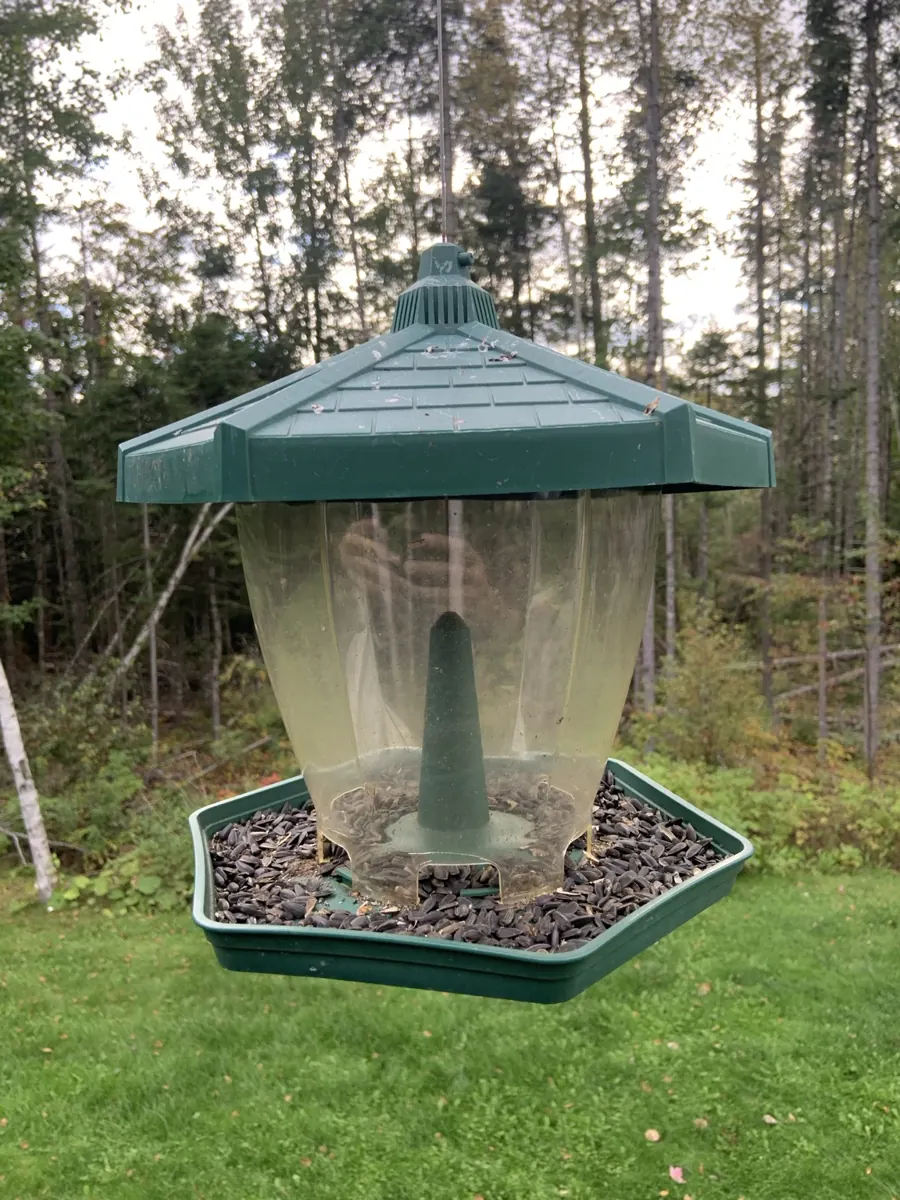
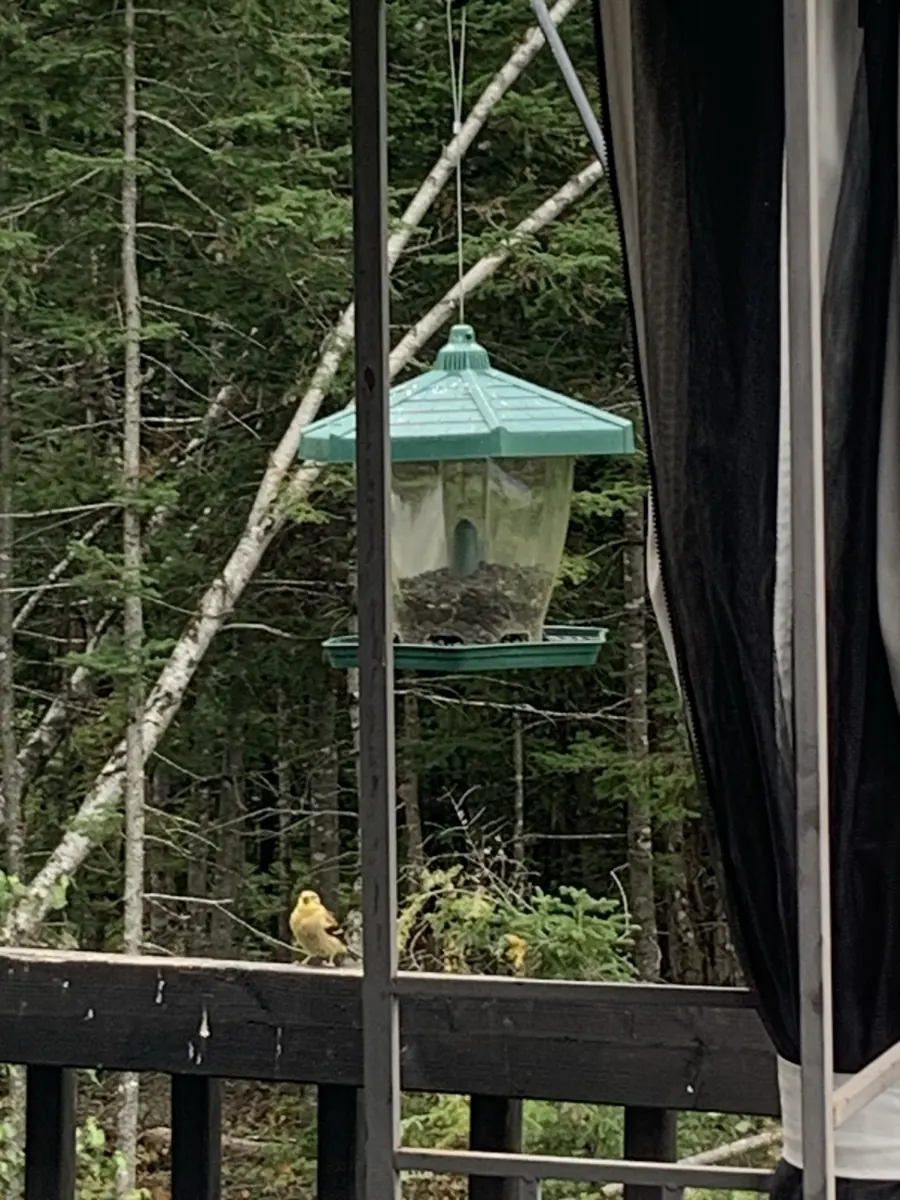
Our feeder has recently been serving roughly 20–25 birds and can need another fill after about 22–24 hours. We have also watched goldfinches gather around the feeder and deck. That gives us a useful real-world baseline, but a different feeder, flock or season can consume seed at a very different rate.
1. You may simply have more birds
A few extra individuals making repeated visits can change consumption dramatically. Flocks can also appear temporarily during migration or seasonal movements. If the feeder is suddenly busy, see why there may suddenly be so many birds in your yard.
2. Your seed may be especially popular
Black-oil sunflower is widely used by feeder birds because its relatively thin shell is easy for many species to open and the kernel is energy-rich. If you recently switched from a mixed seed to sunflower, faster use may reflect less rejection and more actual eating. See which birds eat black-oil sunflower seeds.
3. Some of the “missing” seed may be on the ground
Look directly beneath the feeder. Empty sunflower hulls mean birds ate the kernels. Intact seeds may indicate sorting, vigorous feeding or spill. Our guide to why birds throw seed out of feeders shows how to tell the difference.
4. Birds may not be the only visitors
Squirrels, chipmunks and other animals can remove substantial amounts of seed. If consumption seems far greater than the number of birds you see, watch the feeder at different times of day or use a simple camera to see who else is visiting.
5. The feeder itself may spill seed
Wind, swinging, wide tray edges and overfilling can all move seed out of a feeder. Fill below the rim, check for damaged ports or drainage, and consider a catch tray if good seed is routinely falling.
6. Weather and season change feeding pressure
Cold snaps, snow cover, migration and changes in natural food can all shift feeder traffic. An amount that lasted three days in one month might last one day in another.
So should you refill it every day?
If birds are genuinely eating the seed, it stays dry and fresh, and you are comfortable with the amount being used, daily refilling can be perfectly reasonable. Our bird feeder refill guide explains how to find the right rhythm without overfilling.
Sources & further reading
- Cornell Lab of Ornithology — How to Clean Your Bird Feeder
- Project FeederWatch — How To Clean Your Feeders
- Cornell Lab of Ornithology — How to Choose the Right Kind of Bird Feeder
Frequently asked questions
Is it normal for birds to empty a feeder in one day?
Yes. A busy feeder with many visitors can use a substantial amount of seed in a day, especially when it contains a highly preferred food.
Why did my feeder suddenly start emptying faster?
Changes in flock size, migration, weather, natural food availability, seed type or visits from squirrels and other animals can all change consumption.
How do I know whether birds are eating or wasting the seed?
Inspect the ground. Empty hulls usually mean kernels were eaten; piles of intact seed can indicate sorting or spill.