On this page
There is no universal refill schedule for a seed feeder. A small feeder visited by a busy flock may need attention every day, while a larger feeder with lighter traffic may last several days. The useful habit is to check the feeder daily and refill based on how quickly your birds are actually using it.
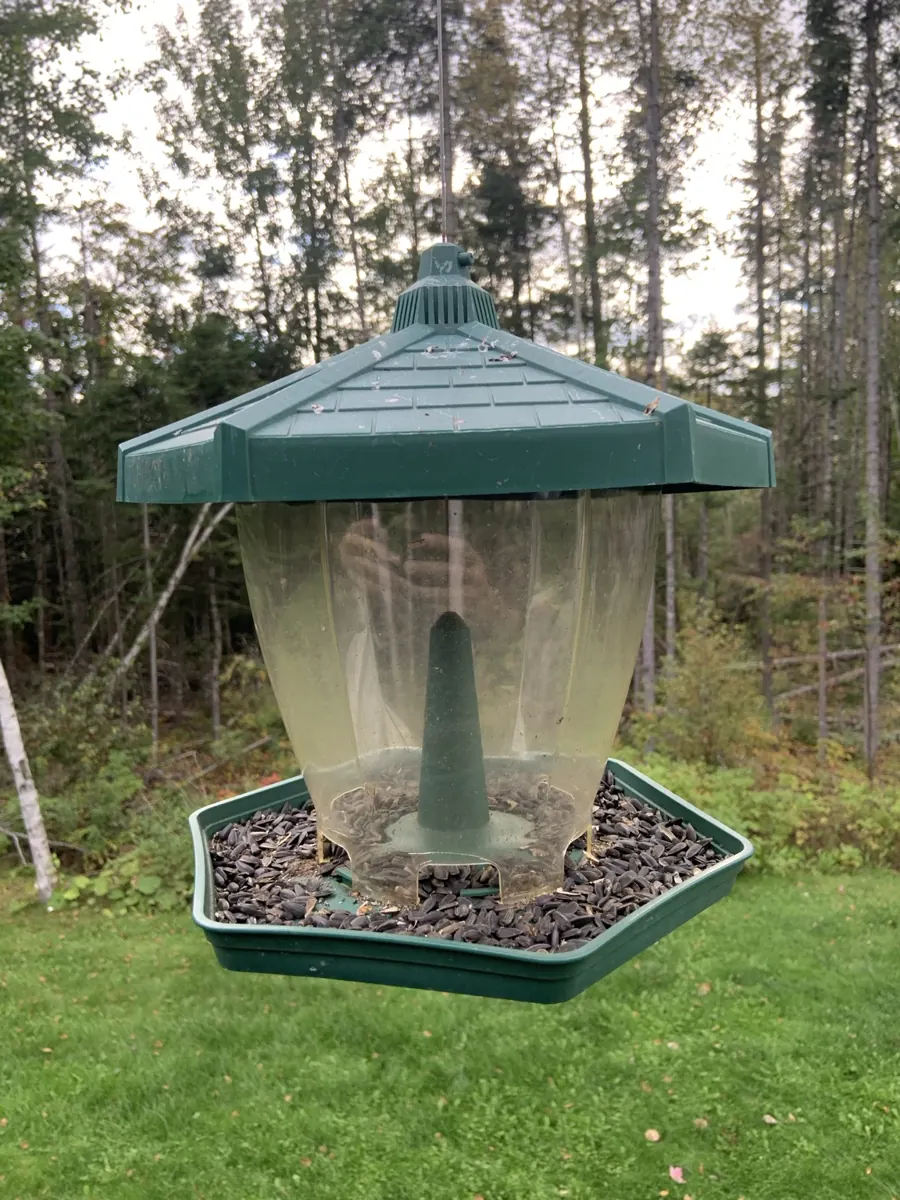
Our hanging feeder currently serves roughly 20–25 regular visitors and, during this busy stretch, we have been refilling it about every 22–24 hours. That is one real backyard example—not a rule for every feeder. Bird numbers, feeder capacity, seed type, season and weather can all change the pace.
How often do bird feeders usually need refilling?
For many seed feeders, checking once a day is sensible even if you do not add food every day. The goal is not to keep a feeder packed to the roof. It is to keep fresh food available while avoiding seed sitting long enough to become damp, stale or contaminated.
Cornell notes that platform feeders can be stocked with enough seed for a couple of days at a time, then cleaned and restocked. In warm or damp conditions, offering smaller amounts and refilling more frequently can help keep food fresh.
Why might your feeder empty in one day?
A feeder can suddenly empty faster when flock size increases, migrants arrive, colder weather raises feeding activity, or highly preferred food such as black-oil sunflower is offered. Some of what disappears may also be seed or hulls being tossed from the feeder rather than eaten.
Should you let a bird feeder go completely empty?
Running empty for a short period is not an emergency. Wild birds use many food sources and do not depend on one backyard feeder alone. But if you want consistent feeder activity, topping up before it remains empty for long stretches makes the feeding station more predictable.
More important than constant fullness is food quality. Never top fresh seed onto wet, moldy or heavily soiled seed just to make the feeder look full.
How much seed should you add?
Use consumption as your guide. If food routinely sits untouched for days, add less. If the feeder is almost empty within 24 hours and the seed is staying dry and clean, a daily refill may simply match the traffic in your yard.
Season and weather can change the schedule
Feeder use is not constant through the year. Migration, natural seed crops, snow cover, storms and temperature shifts can all change how often birds visit. That is why a schedule that works in September may be wrong in January or May.
Refilling is also your chance to inspect the feeder
Before adding seed, look for droppings, damp clumps, mold, old hulls and blocked drainage. Project FeederWatch recommends cleaning seed or suet feeders regularly—roughly every week or two—and more often during heavy use or wet weather. Cornell similarly recommends about every two weeks, with more frequent cleaning when conditions warrant.
Sources & further reading
- Cornell Lab of Ornithology — How to Clean Your Bird Feeder
- Project FeederWatch — How To Clean Your Feeders
- Cornell Lab of Ornithology — How to Choose the Right Kind of Bird Feeder
Frequently asked questions
Is it normal to refill a bird feeder every day?
Yes. If a feeder has heavy traffic and the seed remains fresh and dry, daily refilling can simply reflect how many birds are using it.
Should I fill my bird feeder all the way to the top?
Not necessarily. Add an amount birds can use while it is still fresh. Smaller, more frequent refills can be useful in warm or wet conditions.
Will birds leave if my feeder is empty for a day?
A short empty period is not usually a crisis. Wild birds use multiple natural and supplemental food sources, though consistent feeding can make your station more predictable.